Silence and Cedar: The Soul of Kyoto Ryokans
Uncovering the sacred architectural principles and seasonal mindfulness governing traditional Japanese hospitality.
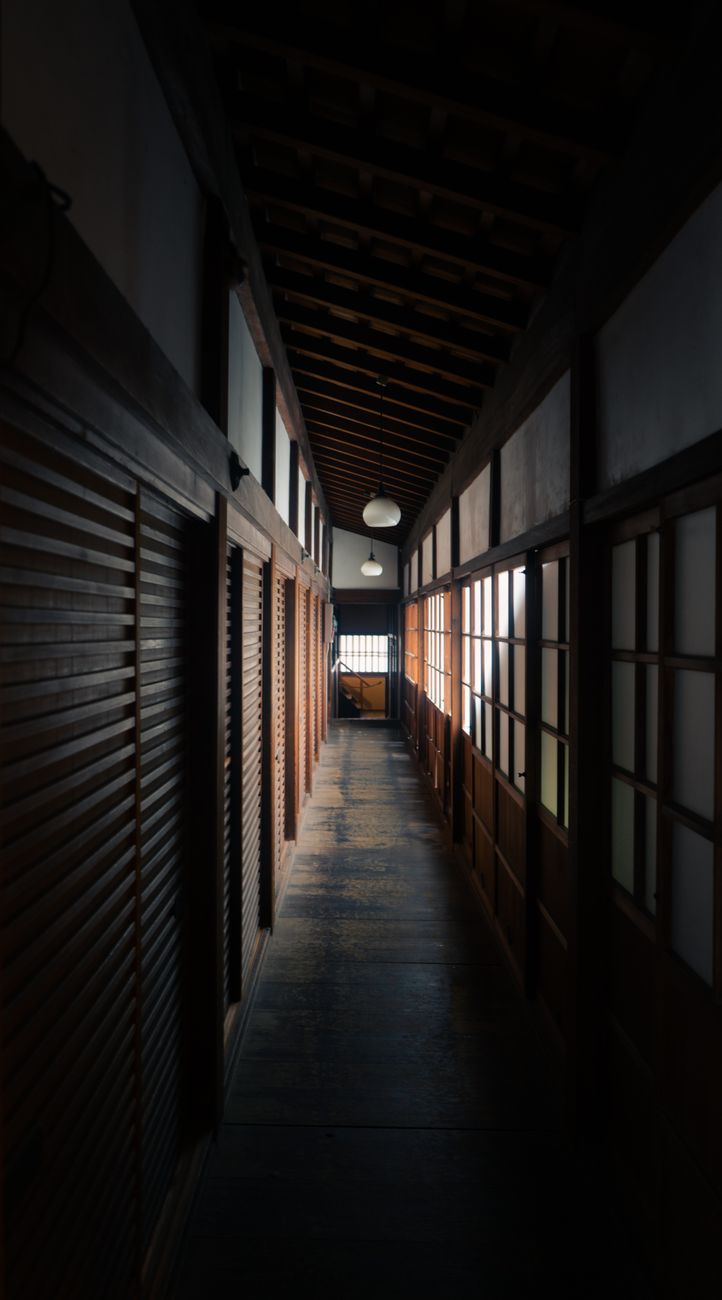
Entering a century-old Sukiya-style ryokan in Kyoto's Higashiyama ward requires an immediate sensory calibration. The world outside, defined by metropolitan velocity, ceases the moment one crosses the stone threshold and changes into soft indoor footwear. What remains is the muted rustle of paper shoji screens and the resinous aroma of aged Hinoki cypress.
The Joinery of Impermanence
Japanese vernacular carpentry relies upon complex interlocking timber joints called kigumi, constructed without a single metal nail. This design allows cedar columns to shift gracefully with regional seismic movements, creating structures that breath with humidity cycles. Within each guest pavilion, the tokonoma alcove features an intentionally modest scroll and a single seasonal blossom arranged in accordance with chabana principles.
"The ryokan does not exist to impress through grandeur, but to invite meditation through subtraction. Empty space is where hospitality truly occurs."
Kaiseki: The Season on a Lacquered Tray
Evening dining in traditional ryokan hospitality is governed by shun—the exact peak window of freshness for any agricultural ingredient. From sweet mountain chestnuts and grilled sweetfish (ayu) to matsutake mushroom broths served in clay dobin teapots, every vessel is selected to mirror the specific week of the solar calendar.
Navigating Etiquette with Ease
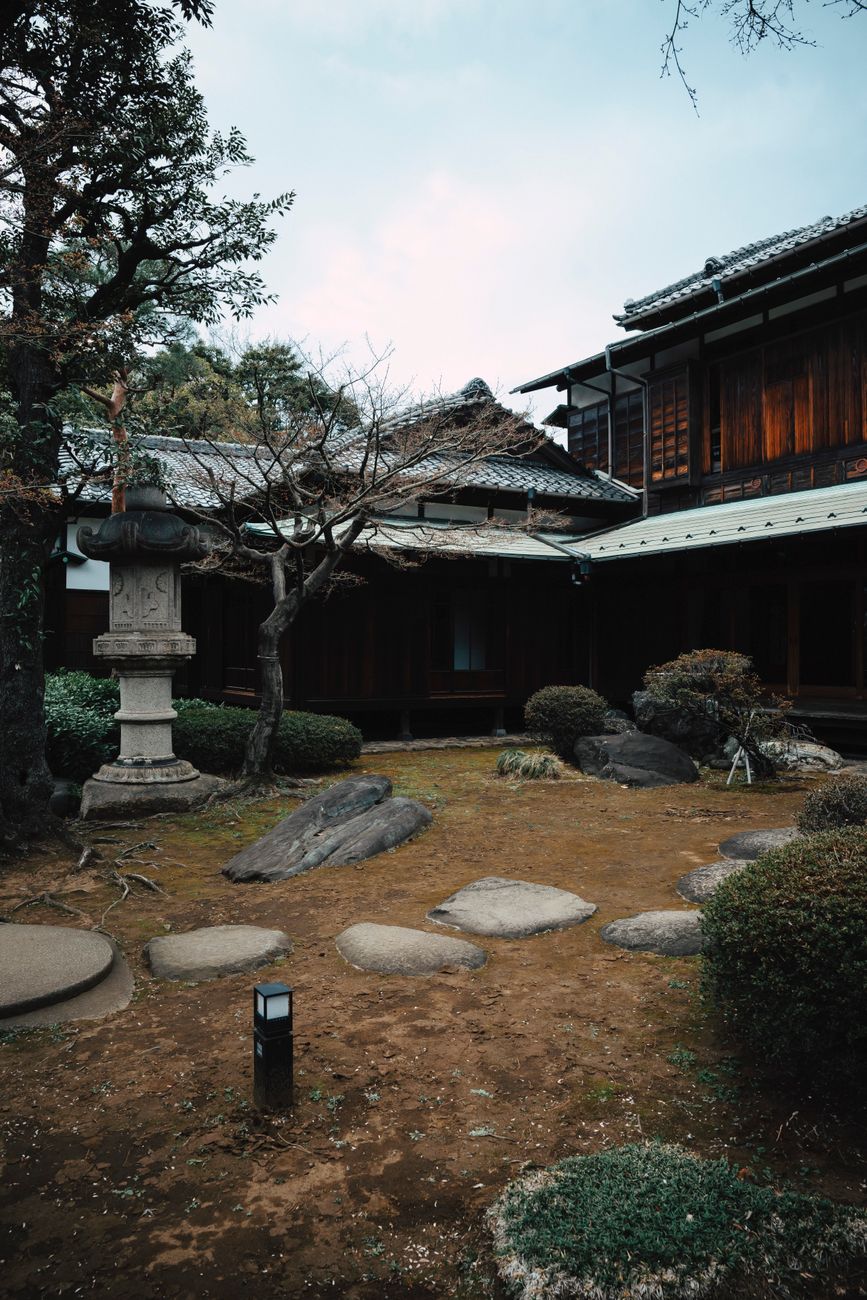
Travelers often fear breaches of customs, yet authentic okami (proprietresses) prioritize genuine human warmth over rigid scrutiny. Simple mindfulness—honoring designated slippers, soaking only after washing thoroughly in the bathing chambers, and preserving quiet corridors—ensures an unforgettable communion with Japanese heritage.