The Revival of Slow Tuscan Agriturismos
Documenting the intersection between historical conservation, stone restoration, and regenerative farming across the hills of Siena.
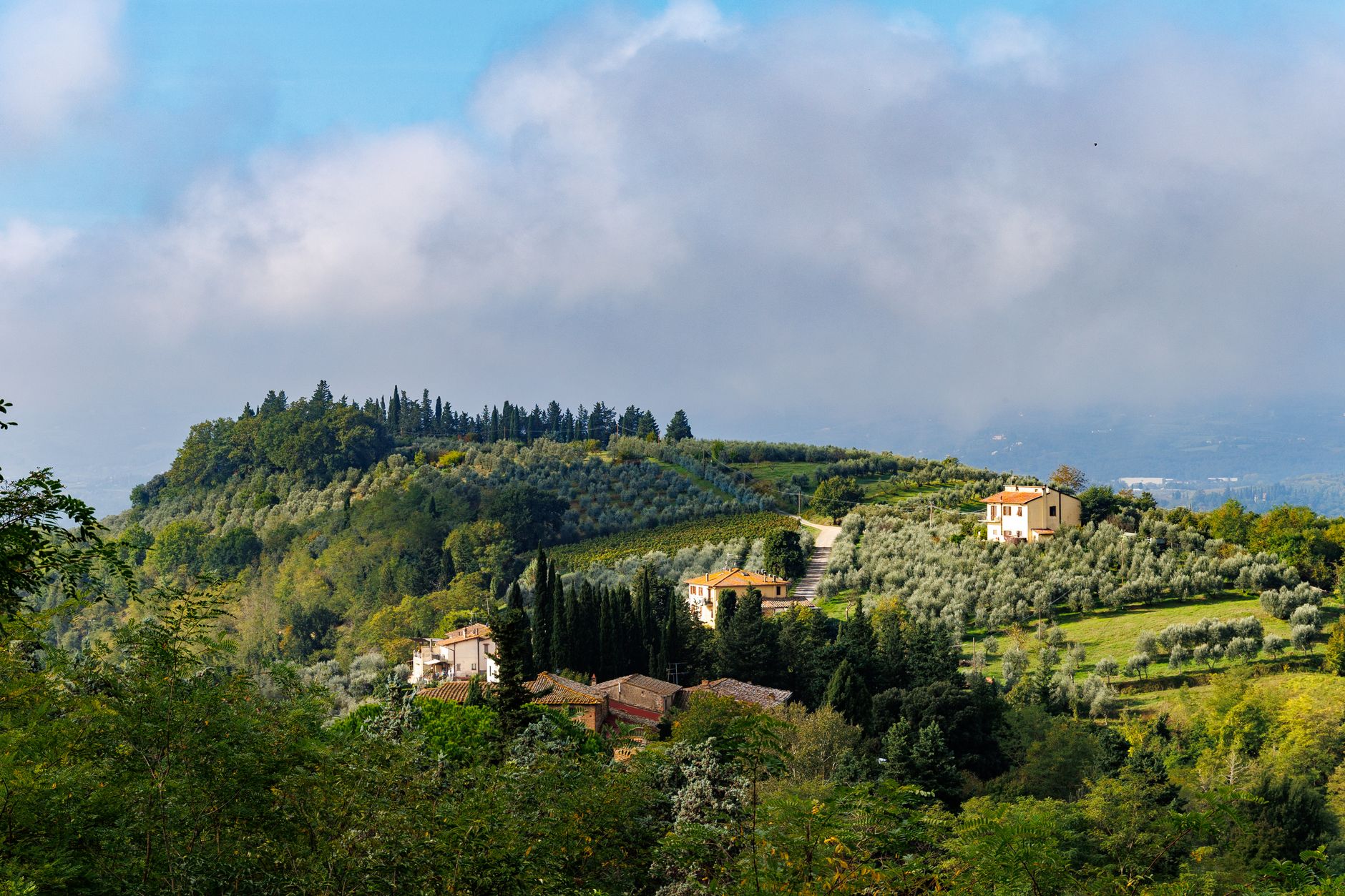
In the sweeping limestone amphitheater of Val d’Orcia, early morning fog clings to cypress lanes like spun silk. For decades, global tourism transformed central Italy into an ephemeral parade of tourist buses. However, a quiet revolution led by a cadre of multigenerational agronomists and architects is reclaiming the land’s original dignity.
Vernacular Masonry as Climate Defense
The traditional Tuscan podere was never designed for show. Constructed with porous tufa and local river stone, the walls measure up to eighty centimeters in thickness, buffering against scorching summer afternoons while sealing in hearth warmth through damp winters. Modern restorations highlighted by 111111 prioritize breathable lime washes and reclaimed terracotta tiles over invasive concrete reinforcements.
"To build slowly in Tuscany means obeying the quarry from which the stone was cleaved. Nothing new needs to be invented when the landscape already holds the blueprint."
From Monoculture to Terroir Integrity
Far from ornamental farm stays, genuine agriturismi are working agricultural operations. Under regional statutes, at least sixty percent of ingredients served at dinner must be cultivated on the proprietor’s acreage or procured from adjoining communal farms. The resurgence of farro monococcum, heritage olive varietals such as Moraiolo and Leccino, and wild foraging trails provides guests with a tactile education in biodiversity.
The Art of Staying Still
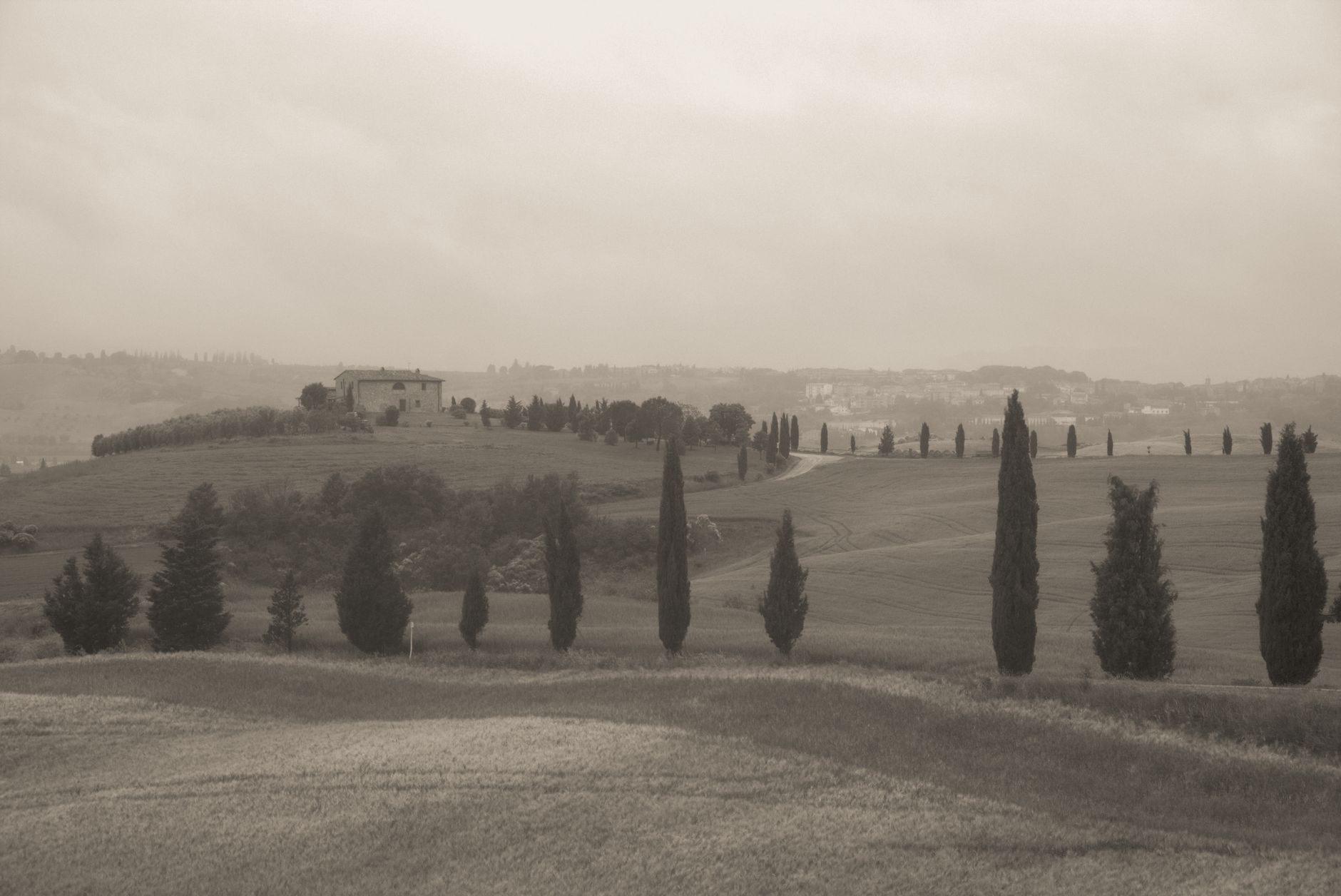
We advise our readers to abandon multi-city itineraries. Dedicating seven full sunrises to a single valley unlocks a cadence impossible to discern from the highway: the bell tolls of Montepulciano drifting across vineyards, the scent of crushed rosemary underfoot at dusk, and the quiet camaraderie shared with local cellar masters.